Keeping your player account secure is essential for safe and enjoyable online gaming https://casinachos.ch/login. For Swiss players who value privacy and reliability, understanding how login credentials are protected and how personal data is handled is essential. Casinacho Casino approaches account security as a continuous process that starts during registration and extends through every login session. The platform blends user-friendly access with layered safeguards, making sure that a player’s identity and funds remain protected from unauthorized access. In a setting where digital threats develop swiftly, a well-informed user is the strongest link in the security chain. The following sections detail the key practices, technologies, and verification steps that define robust casino account protection.
The Basics of Online Casino Account Security
Account security within an online casino is founded on three key areas: authentication, encryption, and monitoring. Authentication confirms that the person seeking access is the rightful account holder. Encryption ensures that all data sent between a player’s device and the casino’s servers stays protected to third parties. Monitoring includes continuous oversight of login patterns and transaction anomalies to detect suspicious activity. At Casinacho Casino, these layers are put in place in a way that feels seamless to the player while satisfying the strict standards expected by Swiss regulators. Swiss data protection laws, including the Federal Act on Data Protection, set high benchmarks for how personal information should be managed. Players enjoy a system where every login is validated through secure channels, and sensitive credentials are never stored in plain text. This fundamental architecture lessens the chance of account takeover and maintains the gaming experience centered on entertainment rather than worry.
Protected Login Practices for Public and Shared Networks

Signing in to a casino account over public Wi-Fi, such as in a café or hotel, introduces significant risk. Unsecured networks let attackers to intercept data transmitted between the device and the casino’s servers through techniques like packet sniffing. If a player must access the account while away from a trusted home network, using a reputable virtual private network (VPN) is highly recommended. A VPN scrambles all traffic and masks the user’s IP address, making the connection far more resistant to eavesdropping. Casinacho Casino’s infrastructure is structured to handle login attempts from VPN connections, though sudden changes in geographic location might trigger additional security checks. For players in Switzerland, where mobile data coverage is extensive, switching to a cellular connection is a simpler alternative to public Wi-Fi. After any session on a shared or borrowed device, clearing the browser cache and history represents a prudent final step that erases traces of the login session.
The Importance of Account Verification
Identity verification, often known as as Customer Identification, is a mandatory step that secures both the player and the casino. In Switzerland, authorized operators are obligated to verify the identity of their customers to stop fraud, money laundering, and underage gambling. At Casinacho Casino, the verification process is activated before the first withdrawal or when cumulative deposits reach a defined threshold. The player is asked to upload a clear copy of a government-issued identification document, such as a passport or Swiss identity card, along with a recent proof of address. The documents are checked by a dedicated compliance team, typically within twenty-four hours. Once verified, the account receives full access to all withdrawal options and higher transaction limits. This procedure also assures that no one else can pretend to be the player or access the account, because any future suspicious activity will be cross-checked against the authenticated identity. Verification is a onetime effort that permanently enhances account integrity.
Recognizing and Evading Phishing Scams
Phishing stays one of the most common tactics used to obtain online casino credentials. Attackers compose emails or messages that seem to come from Casinacho Casino, often using official logos and urgent language to prompt immediate action. These messages commonly contain links to fake login pages that look identical to the real site. Once a player enters their username and password, the information is obtained by criminals. To prevent this threat, players should always navigate directly to the official casino website by typing the address into the browser rather than clicking on links in unsolicited communications. The genuine Casinacho Casino platform will never ask for a password or payment details via email or instant message. Swiss players can also check the padlock icon and the correct domain name in the browser’s address bar. If a message creates a sense of panic, such https://www.ndr.de/nachrichten/mecklenburg-vorpommern/Auftakt-der-Abschiedstour-Peter-Maffay-rockt-Rostock,maffay834.html as claiming an account will be locked, it is wise to pause and contact customer support through official channels to validate its authenticity.
Protecting Your Login Credentials Confidential
Protecting login information is more than choosing a strong password; it requires conscious daily habits. Players should under no circumstances share their Casinacho Casino login details with anyone, like friends or relatives, because shared access can lead to unintended account activity and disputes. Writing down passwords on physical notes or storing them in unencrypted files on a computer is just as risky. It is advisable to log out after each session, especially when using a device that others might access. The casino’s session management automatically expires idle logins after a duration of inactivity, but manual logout adds an prompt safeguard. Players should likewise be wary about browser password-saving functions on shared or public machines. For Swiss residents who often use mobile banking and e-wallets, the same care used to financial apps should extend to casino accounts. A perspective of treating the login as a digital key to personal funds helps maintain consistent security behavior.
Building a Resilient Password
A robust password is the first line of defense for any casino account. Security experts suggest using a passphrase that is at least twelve characters long, combining uppercase and lowercase letters, numbers, and special symbols. Avoid common words, sequential patterns, and personal information such as birthdays or the names of family members, as these are easily guessed or obtained through social media. Casinacho Casino prompts players to create a credential that is unique to this platform and not reused across other services. Password reuse is a major risk; if another site suffers a data breach, attackers will test those credentials on casino sites. Leveraging a reputable password manager can help create and store complex passwords without the burden of memorization. The casino’s registration form provides real-time feedback on password strength, guiding users away from weak choices. This proactive nudge helps establish a security-conscious habit from the very first interaction with the platform.
Detailed Registration at Casinacho Casino
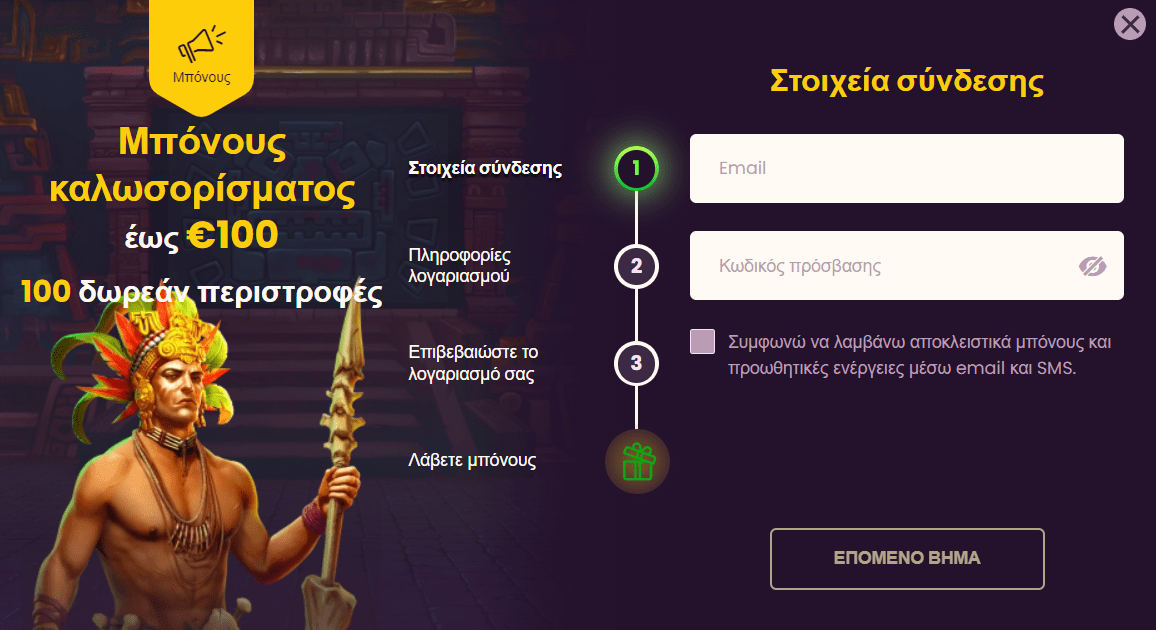
The enrollment process at Casinacho Casino zeit.de is designed to be swift yet thorough, collecting only the information required to verify identity and secure the account. A fresh user begins by providing a valid email address and choosing a unique username. The platform then requests the creation of a password that satisfies complexity requirements, a step that directly influences the account’s resilience against brute-force attacks. After entering basic personal data such as full name and date of birth, the player selects Switzerland as the country of residence, which activates the appropriate jurisdictional checks. The system executes an instant validation of the provided email address by forwarding a confirmation link. Once the link is clicked, the account becomes ready for deposits and playing. During this initial phase, the casino also records the device identifier and IP address as a baseline for future login comparisons. Every field is transferred over TLS encryption, guaranteeing that no registration data is revealed in transit.
Dvoufaktorové ověření: Přidání další vrstvy
Dvoufaktorové ověření, zkráceně 2FA, přidává zásadní bariéru nad rámec hesla. Even if a malicious actor obtains a player’s login credentials, nemohou získat přístup k účtu bez druhého faktoru, kterým je obvykle časově citlivý kód generovaný autentizační aplikací nebo zaslaný SMS. Casinacho Casino supports standard TOTP-based authenticator applications, jež jsou hodnoceny jako bezpečnější oproti textovým kódům because they are not susceptible to SIM-swapping attacks. Povolení 2FA je jednoduchý proces na stránce nastavení zabezpečení účtu. Po naskenování QR kódu autentizační aplikací, hráč potvrdí nastavení zadáním testovacího kódu. From that point forward, every login requires the unique six-digit code from the app. This extra step takes only a few seconds but dramatically reduces the likelihood of account compromise. Hráči ze Švýcarska oceňující bankovní úroveň zabezpečení uznají 2FA jako přirozené a účinné vylepšení svého bezpečnostního režimu.
The ways Casinacho Casino Secures Player Data
Apart from the measures players take, Casinacho Casino implements a comprehensive security framework that operates behind the scenes. All data communications between the player’s browser and the casino servers are secured by Transport Layer Security (TLS) 1.3, which provides robust encryption. The platform keeps passwords using powerful, salted hashing algorithms so that even in the improbable event of a server breach, the actual passwords remain inaccessible. The casino’s infrastructure is housed in ISO 27001-certified data centers that conform to stringent physical and digital security protocols. Regular penetration testing and vulnerability assessments are performed by independent third-party firms to detect and remediate weaknesses. Compliance with Swiss data protection regulations implies that personal information is managed only for lawful purposes and is not held longer than necessary. Anomaly detection systems track login attempts for suspicious patterns, such as quick password guesses or logins from unfamiliar locations, and can temporarily lock an account pending additional verification. These measures create a protective net that maintains the trust Swiss players have in the platform.